
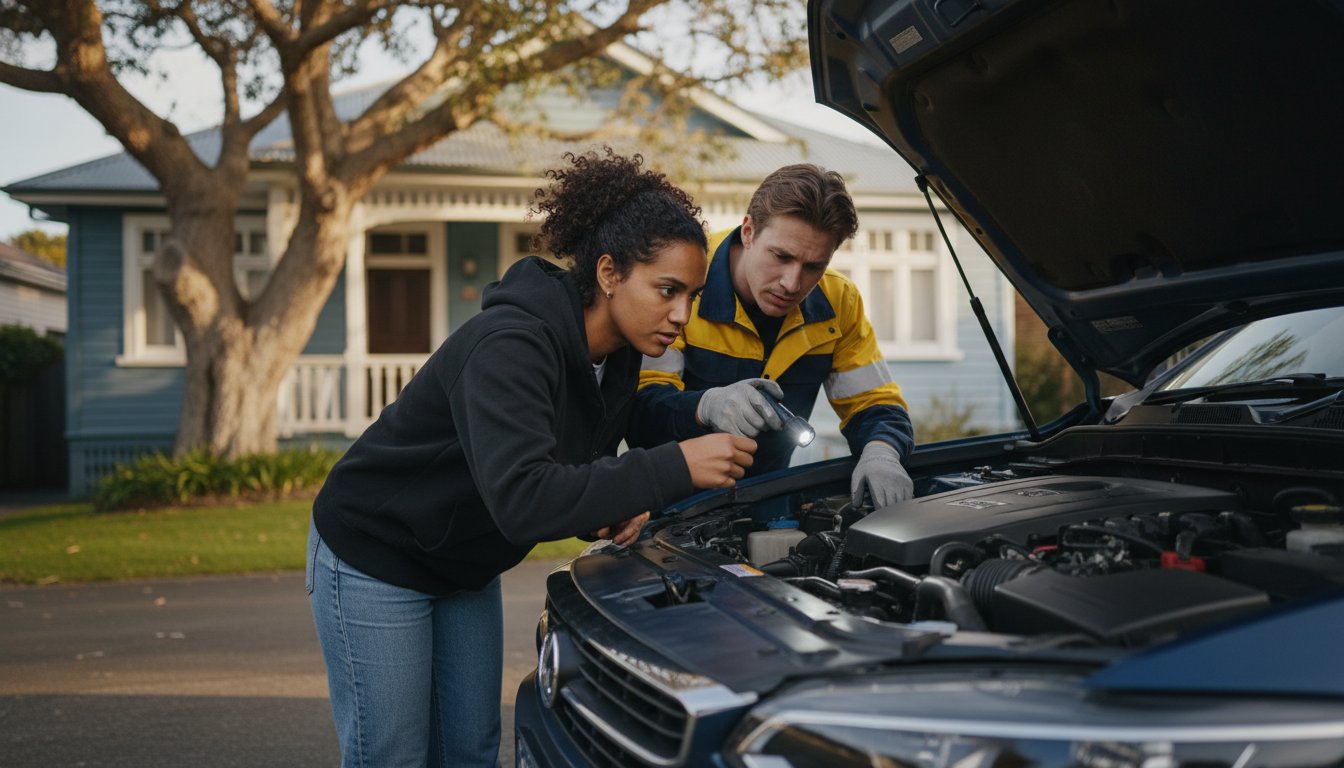
Last Tuesday, an Auckland buyer thought they’d scored a bargain on a 2016 Mazda CX-5, until a post-purchase check revealed $3,200 in structural rust hidden behind a fresh WOF. It’s a classic Kiwi nightmare that happens more often than you’d think, largely because many buyers don’t know which used car inspection red flags to look for. We know that the pressure to buy quickly can be overwhelming, especially when you’re staring at a shiny exterior and confusing technical specs. You deserve to know exactly what’s happening under the bonnet without the stress of hidden repair costs or a murky PPSR history.
We’re here to help you master these warning signs so you can shop with total confidence. You’ll learn how to identify the 7 critical deal-breakers that distinguish a reliable daily driver from a costly mistake on New Zealand roads. We’ll break down the warning signs found during a test drive, explain how to spot a dodgy service record, and show you why a professional pre-purchase inspection is your best defense. It’s time to take the guesswork out of your next car purchase and ensure your hard-earned money is well spent.
Key Takeaways
- Look past the polished paintwork to understand how sellers use detailing to mask underlying mechanical issues and structural neglect.
- Learn to identify critical used car inspection red flags by performing a proper cold start and checking for “mayonnaise” under the oil cap.
- Bust the myth that a fresh WOF equals a healthy car and find out why paperwork alone isn’t enough to ensure a reliable ride.
- Turn off the radio and use your senses to detect the specific smells and sounds that indicate hidden engine or cooling system trouble.
- Discover how moving from a DIY check to a professional inspection provides the ultimate safety net and gives you the leverage to negotiate a better price.
Beyond the Shine: Why Visual Checks Miss Critical Used Car Red Flags
Buying a vehicle in the used car market requires a detective’s mindset. A shiny exterior often masks a history of neglect. We define a red flag as a specific symptom of underlying mechanical failure or structural damage. These aren’t just minor scuffs; they’re indicators that the vehicle’s lifespan is compromised. Sellers often spend $250 on a professional detail to distract you from $4,000 in looming engine repairs.
A sparkling engine bay in a car over 7 years old is a classic “Curated Appearance” myth. While it looks pristine, it often means the owner steam-cleaned the block to wash away evidence of active oil leaks or head gasket seepage. At MyAutoShop, we recommend the Reliable Innovator approach. This means leading with logic and data rather than the “new car smell” excitement. Identifying used car inspection red flags early saves you from the 30% instant loss of buying a lemon.
The Psychology of the Used Car Sale
Price is your first data point. If a listing sits 20% below the current market average, the seller is likely pricing in a known defect. Watch for high-pressure scripts. If a seller claims they have “three other buyers coming today” or “cash offers on the table,” they’re trying to bypass your critical thinking. Transparency is the only currency that matters. A trustworthy seller provides a full service history and recent WOF reports without being asked. If they hesitate to let you book a professional pre-purchase inspection, the deal is done.
Why DIY Inspections Have Limits
It’s easy to confuse standard wear and tear with catastrophic failure. Worn brake pads are a simple maintenance item. A cracked chassis or a slipping CVT transmission is a financial disaster. Many buyers suffer from confirmation bias. They ignore a puff of blue smoke because the car has the exact leather interior they wanted. You need to separate emotion from the mechanics. A red flag is a non-negotiable mechanical or structural defect that warrants an immediate exit from the sale to protect your safety and finances. Relying on used car inspection red flags identified by a professional ensures you don’t inherit someone else’s expensive problem.
- Check for inconsistent paint thickness on the pillars.
- Look for mismatched tyre brands, which suggests a “cheapest possible” maintenance history.
- Ensure all dashboard warning lights illuminate then turn off after the engine starts.
Mechanical Deal-Breakers: Spotting Engine and Bodywork Issues
The first rule of any viewing is the “Cold Start” test. Always insist the engine is stone cold when you arrive. Sellers often warm up a car to hide a rough idle, puffing smoke, or a struggling battery. Touch the bonnet before they turn the key. If it feels warm, they might be masking a 15 percent drop in compression that only shows up on a frosty morning. These used car inspection red flags are your best defense against a costly mistake.
Once the engine is running, watch the exhaust. Blue smoke indicates the engine is burning oil, often due to worn piston rings. Black smoke suggests an issue with the fuel system or sensors. While you’re under the hood, pull the oil filler cap. A thick, milky white substance, often called “mayonnaise,” is a classic sign of a blown head gasket. This repair can easily top $2,500, making it an immediate deal-breaker for most buyers. Knowing your consumer rights when buying a used car helps you navigate these discoveries when dealing with professional yards.
Don’t forget to look at the ground. Check the tyres for “feathering,” where the tread feels smooth in one direction but sharp in the other. This usually points to a $150 alignment issue or a more serious $800 suspension failure. If you want a pro to verify these findings, you can easily book a pre-purchase inspection through our platform.
The Engine Bay Deep Dive
Look for fresh oil leaks. A sparkling clean engine bay in a 10 year old car is actually a red flag; the seller may have steam-cleaned it to hide a persistent leak. Check the battery terminals for white, crusty corrosion. This neglect suggests the previous owner skipped basic $30 maintenance tasks. Finally, inspect the coolant. It should be bright pink, green, or blue. If it looks like rusty water or has oily bubbles, the cooling system is failing.
Rust and Bodywork: When to Walk Away
Surface rust on a muffler is common, but structural rust on the chassis will result in an immediate WOF failure. Run a small magnet over the wheel arches and sills. If the magnet doesn’t stick, the panel is likely full of plastic filler (bondo) from a previous crash. Look for “bubbling” paint near the edges of the doors. This is a sign that rust is eating the metal from the inside out, which is a 100 percent guarantee of expensive panel work in the near future. These used car inspection red flags are often hidden under a fresh coat of wax, so look closely at the panel gaps for any 2mm inconsistencies.
The ‘Fresh WOF’ Myth: Why Paperwork Red Flags Matter
Don’t let a brand-new sticker on the windscreen fool you. A Warrant of Fitness (WOF) is a basic safety assessment, not a mechanical health report. It confirms the tyres have at least 1.5mm of tread and the lights function, but it won’t tell you if the head gasket is leaking. Many sellers practice “WOF-to-WOF” maintenance, only fixing what a technician forces them to. This strategy ignores preventative care, making it one of the most overlooked used car inspection red flags. If the owner can’t show you a receipt for anything other than a WOF fee, the car has likely been neglected.
A missing service logbook is a massive warning sign for modern engines. High-tech components like turbochargers and variable valve timing systems rely on clean oil to survive. While the FTC’s Used Car Rule outlines dealer requirements in the US, Kiwi buyers must be their own detectives. In New Zealand, transparency is your best friend. If the paperwork is messy or missing, the car’s future reliability is a gamble you shouldn’t take.
Decoding the Service Logbook
Consistency is everything. Check for oil changes every 10,000 to 15,000 kilometres. If you spot a 40,000km gap, the engine internals are likely coated in sludge. For “home-serviced” vehicles, ask for dated receipts for high-quality oil and filters. Compare these dates to the odometer. If a service was logged at 130,000km in 2023, but the dash currently shows 120,000km, you’ve found a “fudged” odometer. This is a deal-breaker every single time.
NZ-Specific Legal Red Flags
- The PPSR Check: Spend the $2.30 to run a Personal Property Securities Register search. It reveals if the car has money owing. If you buy a car with “encumbrance,” the finance company can repossess it from your driveway.
- Registration Gaps: Check the “rego” history. If the registration expired more than 12 months ago, the car is permanently de-registered. Re-complying a car is an expensive, 5-day ordeal that involves a structural inspection.
- VIN Matching: Ensure the 17-character VIN on the dashboard matches the registration papers exactly. If the engine number has been ground off or doesn’t match the NZTA database, the vehicle could be stolen or a “statutory write-off” that was illegally rebuilt.
Spotting these used car inspection red flags early saves you from inheriting someone else’s expensive mistakes. We value your time and safety, so never skip the paper trail. If the seller gets defensive when you ask for the PPSR or service history, it’s time to walk away and find a more transparent partner for your next journey.
Sensory Warning Signs: What Your Ears and Nose Tell You
Turn the radio off immediately. You need the first 10 minutes of your test drive to be completely silent. This is a critical step to identify used car inspection red flags that a seller might try to mask with a loud stereo. If the seller insists on keeping the music on, they might be hiding a $1,800 gearbox whine or a grinding wheel bearing. Silence allows you to hear how the mechanical components actually interact.
Your nose is a powerful diagnostic tool. A sweet, syrup-like scent often indicates a coolant leak, which can lead to a $2,500 head gasket repair if ignored. Conversely, an acrid, burnt smell usually means oil is leaking onto a hot exhaust manifold. These aren’t just minor inconveniences; they are signs of neglected maintenance that could leave you stranded. Trust your senses over the seller’s reassurance.
- Transmission Shudder: A 2-second delay when shifting from Park to Drive indicates serious internal wear.
- Brake Feedback: If the pedal pulses under your foot, the rotors are likely warped, costing roughly $550 to replace on most NZ hatchbacks.
- Squealing: High-pitched noises during braking suggest the pads are at 15% life or less, meaning an immediate trip to the workshop.
The Sound of a Lemon
Listen for rhythmic knocking from the engine bay. Light tapping often involves the valves, but a deep, heavy “thud” suggests worn bearings. This is often a terminal issue for the engine. A high-pitched whine during acceleration often points to a failing turbocharger, a repair that frequently exceeds $3,000 on modern diesel vehicles. If you hear rhythmic clicking while making a sharp U-turn, the CV joints are failing and will likely fail your next WOF.
The Cabin Environment
Check the cabin for musty odors. A damp smell often signals a 90% chance of previous flood damage or a blocked sunroof drain that has soaked the carpets. Watch the dashboard carefully when you first turn the key. All warning lights must illuminate for 2 seconds and then turn off. If the “Check Engine” light never appears, a dishonest seller may have removed the bulb to hide a fault code. Test every window and switch; a single failed electric window often points to a $1,200 wiring harness failure.
The Ultimate Safety Net: Moving From DIY to Professional Inspections
You have done the hard work of spotting the initial used car inspection red flags during your walkaround. Now it is time to bring in the experts. A DIY check is a great filter, but nearly 20% of serious mechanical issues remain invisible until a car is lifted on a hoist. A professional report does more than just ensure safety. It serves as your primary negotiation tool. If a mechanic identifies $750 worth of worn suspension components or a $400 leak, you have the evidence needed to drop the asking price by that exact amount. Auckland buyers in particular can learn exactly what to expect from a thorough pre purchase inspection Auckland wide, including how to turn the resulting report into a powerful negotiating tool.
What a Professional Inspection Sees That You Can’t
Modern vehicles are essentially computers on wheels. Our mechanics use diagnostic tools to scan the ECU for “ghost codes.” These are faults that haven’t triggered a dashboard light yet but indicate a $1,200 sensor failure is imminent. While you might check the coolant level, a pro will pressure test the entire cooling system. This reveals hairline cracks in the radiator that only fail when the engine reaches its 90-degree operating temperature. They also inspect the undercarriage for structural rust or “stop-leak” residue that sellers sometimes hide with a quick steam clean before a viewing.
Booking Peace of Mind
My Auto Shop makes the final step of your car buying journey effortless. You can book a mobile mechanic to meet you at the seller’s driveway or schedule a full workshop inspection via our digital platform in under two minutes. Getting a third-party opinion is essential for private sales where “sold as seen” is the legal standard. We provide an unbiased buffer between you and the seller, ensuring you get the facts without the sales pitch. Our transparent reports break down every finding into simple, actionable steps.
Ready to secure your next ride? Book a comprehensive Pre-Purchase Inspection with My Auto Shop today.
- Go: Minor wear items like tyres or brake pads are visible, provided the price reflects the $600 replacement cost.
- Go: The car has a documented service history and the ECU scan returns zero active fault codes.
- No-Go: Any sign of structural rust or previous accident repairs hidden under fresh undergrowth.
- No-Go: “Milky” residue under the oil cap or active engine fault codes. These are used car inspection red flags that signal a potential engine rebuild costing upwards of $4,000.
Buying a car should be exciting, not a gamble. By moving from a DIY check to a professional My Auto Shop inspection, you turn uncertainty into a confident investment. We help you skip the lemons and get straight to the reliable vehicles that keep New Zealand moving.
Drive Away With Total Confidence
Buying a vehicle is a major investment, so don’t let a shiny paint job distract you from potential mechanical disasters. While a fresh WOF provides a basic safety baseline, it doesn’t guarantee the engine or transmission will last the week. Spotting used car inspection red flags like mismatched body panels or odd engine rattles can save you thousands in future repair bills. Industry data suggests that professional inspections identify significant mechanical issues in roughly 15% of used vehicles that otherwise appear roadworthy.
You don’t have to be a mechanical expert to avoid a lemon. MyAutoShop connects you with a national network of over 200 top-rated NZ mechanics who deliver a comprehensive 100 point digital report directly to your inbox. We provide transparent pricing with no hidden costs, ensuring you know exactly what you’re paying for before the inspection begins. This detailed breakdown gives you the hard facts needed to negotiate a better price or walk away from a bad deal with your wallet intact.
Ready to secure your next car? Book a Pre-Purchase Inspection with NZ’s Best Mechanics today and enjoy the peace of mind that comes with expert Kiwi advice. It’s the smartest move you’ll make on your car buying journey.
Frequently Asked Questions
Is a high odometer reading always a red flag?
No, a high odometer reading isn’t always a dealbreaker if the service history is impeccable. A 2016 car with 180,000km of highway driving and service stamps every 10,000km is often more reliable than a 2019 city car with 40,000km and no records. Modern engines easily last over 300,000km when maintained. Always prioritize the logbook entries over the digital dashboard number.
What should I do if the seller refuses a pre-purchase inspection?
Walk away from the deal immediately because a refusal is one of the biggest used car inspection red flags. Honest sellers or reputable dealers will always allow a professional mechanic to check the vehicle’s health. It’s better to lose a $50 holding deposit than to find yourself stuck with a $4,500 transmission failure two weeks after the purchase.
Can a car pass a WOF but still be a ‘lemon’?
Yes, a car can pass its Warrant of Fitness and still have terminal mechanical issues. A WOF only checks basic safety items like working lights and tires with at least 1.5mm of tread depth. It doesn’t inspect the engine’s internal compression, the health of the gearbox, or whether the head gasket will fail in the next 200km. Never rely on a WOF sticker as a mechanical guarantee.
How can I tell if a car has been in a major accident?
Check for inconsistent panel gaps wider than 4mm and mismatched paint shades on adjacent doors. Use a small magnet on the metal pillars; if it doesn’t stick, there’s likely plastic filler hiding structural damage. About 25% of used cars have some repair history, but you should avoid anything with a bent chassis or a tampered 17-digit VIN plate.
What does blue smoke from the exhaust mean?
Blue smoke indicates the engine is burning oil, which usually means the piston rings or valve seals are worn out. These repairs are labor-intensive and typically cost between $2,800 and $5,500 depending on the vehicle model. If the oil level on the dipstick is 20% below the minimum mark during your viewing, the engine has been severely neglected by the previous owner.
Is it a red flag if the engine is already warm when I arrive?
Yes, a pre-warmed engine is a tactic used to hide cold-start problems like rattling timing chains or heavy smoke. Many mechanical issues are only audible when the engine block is at an ambient temperature of 15 to 20 degrees. Ask the seller to leave the car sitting for at least 5 hours before you arrive so you can hear the true sound of the ignition.
How much does a PPSR report cost in NZ?
A PPSR report costs exactly $2.30 when you go directly through the New Zealand Government’s official PPSR website. This search confirms if there’s any registered security interest or money owing on the vehicle. Spending that $2.30 prevents a finance company from repossessing your new car because the previous owner failed to pay off their $12,000 loan.
What are the most expensive red flags to fix?
Transmission failure and head gasket leaks are the most expensive used car inspection red flags you’ll encounter. Replacing a modern CVT transmission often costs upwards of $6,500, while a head gasket repair starts at $2,000. If you see milky white residue under the oil cap, the coolant is mixing with the oil, which can destroy the entire engine in under 50km.
Disclaimer
This article provides general information only and should not be relied on as professional mechanical, safety or legal advice. Vehicle requirements and circumstances vary. If you are unsure about your vehicle, have it inspected by a qualified automotive professional.