
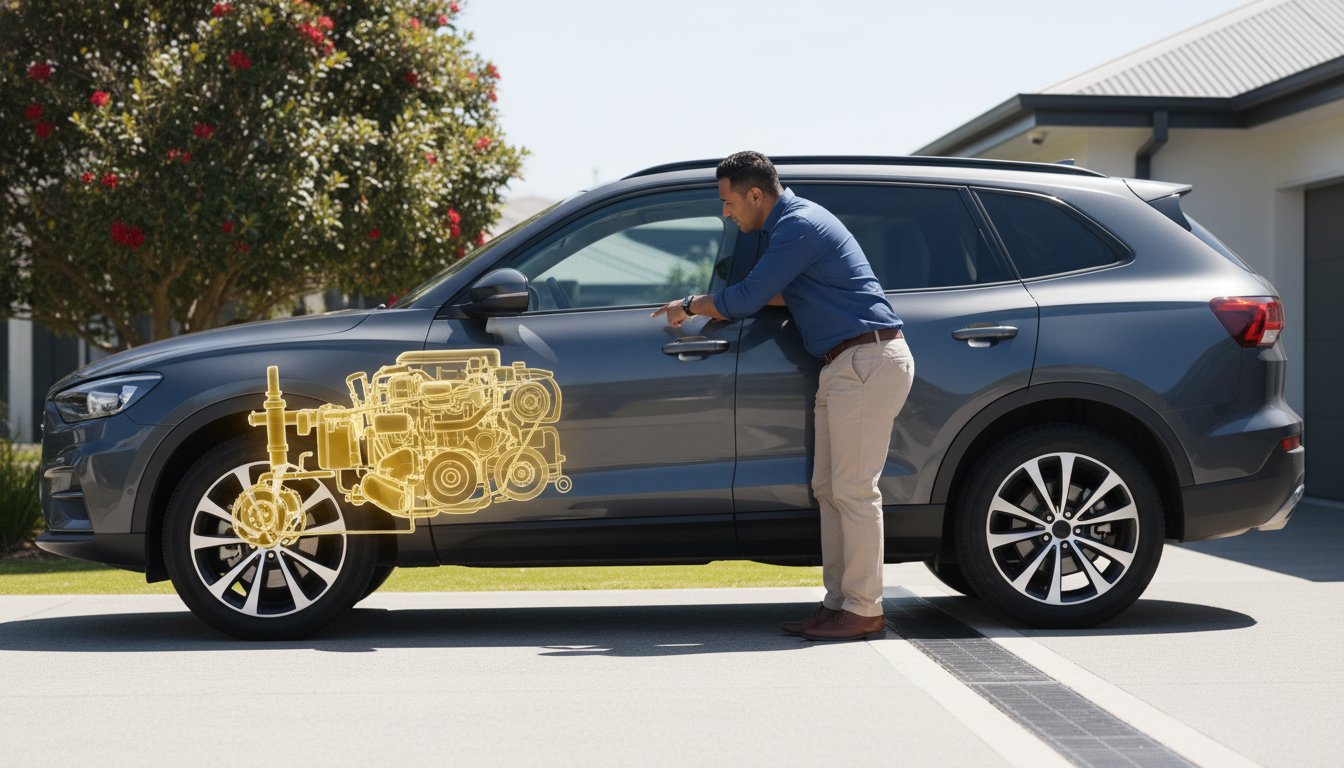
The sticker price on that used SUV isn’t the real price. It’s just the opening bid in a game where the previous owner’s “maintenance debt” is passed directly to your wallet. If you’re hunting for a deal, you’ve likely felt that familiar anxiety about what’s lurking under the hood or buried in the fine print. Understanding the hidden costs of buying a used car nz is the only way to ensure your new ride doesn’t become a financial anchor.
You want a reliable vehicle that gets you to work without a surprise breakdown in month two. We’ll help you get there. This 2026 guide reveals exactly how much to budget for updated registration fees, like the $172.97 petrol licensing fee, and the $76.00 per 1,000km Road User Charges for diesel and electric vehicles. You’ll learn how to spot pending mechanical repairs before you sign the papers. We’ll cover everything from administrative traps to the regulatory shifts impacting the Kiwi market right now. By the end, you’ll have the confidence to negotiate like a pro and drive away in a car that actually fits your budget.
Key Takeaways
- Navigate the administrative essentials by understanding the Change of Ownership process and how to verify if a vehicle’s RUCs are up to date.
- Spot the “Big Three” mechanical red flags, cambelts, tyres, and brakes, which often form the bulk of the hidden costs of buying a used car nz.
- Calculate the real price of any vehicle using our Total Cost of Ownership (TCO) steps, factoring in the odometer and service history.
- Understand how a professional pre-purchase inspection identifies pending repairs that a standard WOF might miss, giving you the leverage to negotiate a better deal.
The Sticker Price Trap: Why the Sale Price is Only the Beginning
The number on the windscreen is a distraction. In the 2026 New Zealand market, where SUVs make up over 45% of used sales, buyers often focus on the upfront cost while ignoring the long-term reality. The sticker price is merely the entry fee. To find the total cost of ownership, you have to look deeper. This includes insurance, licensing, and the inevitable “maintenance debt” left behind by the previous owner. Getting this calculation wrong is the primary reason car buyers blow their budgets within the first ninety days.
Maintenance debt is the sum of all the services a seller skipped to save money before listing the car. If a vehicle is approaching a major odometer milestone, it might be due for a cambelt replacement or a comprehensive service. These are the hidden costs of buying a used car nz that turn a bargain into a financial burden. When you buy a car with maintenance debt, you aren’t just buying a vehicle; you’re taking on someone else’s unpaid bills. In 2026, with the sub-$6,000 market becoming increasingly tight, these skipped repairs are more common than ever.
The Psychology of the “Cheap” Used Car
Falling in love with a $5,000 hatchback is easy. It feels like a win until you realize it needs four new tyres and a brake pad replacement within the first month. Suddenly, your $5,000 car costs $7,500. Sellers often offload vehicles right before a major service milestone. They see the quote for a radiator repair or a new set of shock absorbers and decide to sell instead. Don’t let your excitement blind you to these numbers. A “cheap” car with no service history is usually the most expensive choice you can make.
Dealer vs. Private Sale: Different Cost Profiles
Buying privately through Trade Me or Facebook Marketplace carries a risk premium. These sales are typically “as-is, where-is,” meaning you have very little recourse if the clutch fails a week later. Dealers offer protection under the Consumer Guarantees Act, but that safety comes with its own costs. Watch out for “on-road costs” (ORC) which can add hundreds to the advertised price. Dealer financing also hides expenses through interest rates that can reach as high as 22.15% for secured loans. Always compare the final “drive-away” price, not just the number on the tag.
NZ Administrative Costs: From Rego to RUCs
Buying the car is just the start. You need to budget for the legalities before you even hit the road. The first step is the Change of Ownership. It’s a quick $9.00 process if you complete it online. If you prefer using a physical agent, expect to pay around $15.00. This is the first of several hidden costs of buying a used car nz that buyers often overlook in the heat of the moment. Failing to complete this step promptly can lead to fines for the new owner, so get it done immediately.
Next is the vehicle license, commonly known as “rego.” As of January 2026, NZTA vehicle registration fees have adjusted. A standard petrol car now costs $172.97 annually. If you’re looking at a diesel or an electric vehicle, that figure sits at $241.59. This price includes the ACC levy, which, as of July 1, 2025, is the same for EVs and diesel vehicles. Always check the expiry date on the windscreen label. If the rego has expired, you may be liable for backdated fees. If a vehicle has been unlicensed for more than 12 months, it is automatically deregistered. Bringing a deregistered car back to life involves a rigorous re-vanning process that is both expensive and time-consuming.
Road User Charges (RUC) and the 2026 Landscape
If you’re buying a diesel SUV or a light EV, RUCs are a major financial factor. The current rate is $76.00 per 1,000 kilometers. For plug-in hybrids, the rate is lower at $38.00. Check the RUC label on the windscreen against the current odometer reading. If the car has “overrun” its paid distance, you are essentially buying the previous owner’s debt. A 5,000km discrepancy means an immediate $380 bill plus administration fees. Use the NZTA online portal to verify the vehicle’s RUC status before you settle the sale.
Warrant of Fitness (WOF) and Registration
New Zealand law requires a car to have a WOF that is less than 30 days old at the time of sale. You can sign a written waiver to buy a car with an older WOF, but this is a massive risk. A WOF inspection in 2026 typically costs between $50 and $90. If the car fails a WOF shortly after purchase, you are responsible for the repair costs. Common fail points like worn brake pads or a leaking radiator can add hundreds of dollars to your initial spend. Remember, a WOF is a safety minimum, not a mechanical health check. To avoid inheriting expensive failures, book a pre-purchase inspection to get a full report on the car’s condition.
Maintenance Debt: The Mechanical Repairs Hiding Under the Bonnet
Mechanical issues are the most volatile hidden costs of buying a used car nz. While registration fees are fixed, the price of a neglected engine is unpredictable. Most sellers won’t tell you about the radiator repair they’ve been putting off or the shock absorber replacement that’s overdue. They simply want the car gone before the next WOF. This leaves you holding a vehicle that looks great but carries thousands in pending repairs. Identifying these red flags before you buy is the difference between a reliable daily driver and a driveway ornament.
A car battery replacement is a classic example of a “hidden” cost. A battery might start a car perfectly in the mild autumn weather of a private sale. However, the first frosty morning in July will reveal its true health. If the battery is older than four years, budget for a replacement immediately. Similarly, “bouncy” suspension isn’t just a comfort issue. Worn shock absorbers affect your braking distance and tyre wear, making them a common fail point for 2026 WOF inspections. Don’t ignore a car that feels floaty on the motorway; it’s a sign of a looming bill.
The Cambelt / Timing Belt Countdown
Many New Zealand cars hit the market right as they approach the 100,000km or 160,000km mark. This is rarely a coincidence. These milestones often signal the need for a cambelt / timing belt replacement. A snapped cambelt can cost more than the car is worth. If the engine’s internal components collide because the belt failed, you’re looking at a complete engine rebuild. Always look for a physical sticker under the bonnet or a dated receipt in the glovebox to confirm this work was done. If there’s no proof, assume it hasn’t been done and negotiate the price down accordingly.
Tyres and Brakes: The Wear-and-Tear Tax
Don’t just look at the tread depth; check the age and brand of the tyres. A full set of quality tyres for a modern SUV can be a significant expense. “Cheap” tyres might pass a WOF today but offer poor grip in the wet and wear out twice as fast. Brakes are equally critical. If you feel a shudder through the steering wheel when slowing down, you likely need a brake pad replacement and new rotors. These wear-and-tear items are the first things a mobile mechanic will check, as they represent the most immediate post-purchase costs.
Fluid Flushes and Service History
A “basic service” is often just an oil and filter change. It doesn’t cover the deeper needs of a high-mileage vehicle. A comprehensive service history shows that previous owners invested in transmission flushes and radiator maintenance. Neglecting the cooling system leads to overheating, which can destroy a head gasket. If the service book is empty, you’re starting from zero. You’ll need to budget for a comprehensive service and potentially a radiator repair & replacement to ensure the car’s longevity.
Calculating Total Cost of Ownership (TCO) Before You Sign
Stop looking at the price tag as the final number. It’s just the starting point of a larger financial commitment. To avoid the hidden costs of buying a used car nz, you need a clear formula to calculate the Total Cost of Ownership (TCO). This process moves you from an emotional purchase to a logical investment. By following five simple steps, you can determine if that “bargain” SUV is actually a debt trap in disguise.
- Step 1: Add immediate admin fees. Take the sticker price and add the Change of Ownership fee and any licensing arrears. If the petrol rego is nearly expired, add $172.97 to the total immediately.
- Step 2: Estimate pending maintenance. Look at the odometer. If the car is near a 100,000km milestone without proof of a cambelt replacement, add that cost to your budget. Check the tread on the tyres and the thickness of the brake pads.
- Step 3: Factor in annual running costs. Estimate your insurance premiums and annual fuel or RUC spend. For a diesel vehicle, remember the $76.00 per 1,000km charge.
- Step 4: Subtract negotiation savings. This is where you gain control. Use the findings from a professional report to ask the seller for a price reduction. If the car needs $500 in repairs, that’s $500 that stays in your pocket.
- Step 5: Compare the final TCO. Compare this total against other vehicles. A slightly more expensive car with a full service history often has a lower TCO than a cheap car with maintenance debt.
Insurance: The Variable Cost
Insurance premiums in New Zealand aren’t just based on your age. They’re heavily influenced by the vehicle’s safety rating and theft risk. A car with a poor safety rating on the Rightcar database will often cost more to insure. Decide between Third-party and Comprehensive cover based on the vehicle’s value. While a high-excess policy lowers your monthly premium, it becomes a significant hidden cost if you actually need to make a claim. Always get an insurance quote before you hand over any cash.
Fuel Economy vs. Displacement
Don’t guess your fuel spend. Use the Rightcar NZ database to see the real-world liters per 100km for your specific model. A larger engine might be more reliable for long-distance towing, but it will drain your bank account in stop-start city traffic. With the government planning to transition petrol vehicles to a universal RUC system in 2027, the long-term cost of high-displacement engines is set to rise. Choosing an efficient hybrid now could save you thousands over the next three years.
The best way to get an accurate TCO is to know exactly what repairs are looming. Book a pre-purchase inspection today to get the mechanical clarity you need to negotiate a fair price.
How a Pre-Purchase Inspection Saves You Thousands
Investing in a pre-purchase inspection is the most effective way to eliminate the hidden costs of buying a used car nz. While it might feel like an extra expense during an already pricey process, the return on investment is massive. Spending around $200 to $250 for a professional check can easily save you $2,000 in immediate repairs. It moves the risk from your bank account back to the seller, ensuring you don’t inherit a vehicle with a “maintenance debt” that you can’t afford to pay.
Many buyers mistakenly believe a fresh Warrant of Fitness (WOF) means the car is in perfect health. This is a dangerous assumption. A WOF is a basic safety check that ensures the car is roadworthy at that exact moment. It doesn’t look at the health of the clutch, the remaining life of the battery, or the state of the CV joints. A professional inspection goes deeper, assessing the mechanical longevity of the vehicle. Our mobile mechanics can perform these checks at the seller’s house or workplace, making the process convenient for everyone involved.
Turning “Red Flags” into “Price Reductions”
An inspection report is your most powerful negotiation tool. Instead of arguing over the price based on “gut feeling,” you can present a neutral, third-party document that lists specific mechanical needs. Most private sellers are reasonable people who simply don’t know their car needs a brake pad replacement or a new set of shock absorbers. When you show them the evidence, they’re often willing to discount the sale price to cover the repair costs.
Use the report to prioritize your spending. If the inspection reveals minor issues like a worn car battery replacement is due, use that to knock $300 off the price. However, you must also know when to walk away. If the report identifies “deal-breakers” like structural rust, significant oil leaks, or a failing radiator, it’s usually better to keep looking. No discount is worth the stress of a car that will spend more time in the workshop than on the road.
The My Auto Shop Advantage
We’ve built a platform that takes the guesswork out of car maintenance. Our network provides national coverage with expert mechanics who understand the specific quirks of the New Zealand used car market. We prioritize transparency, giving you a clear, easy-to-read report that highlights exactly what needs attention now and what can wait until your next service. Booking is simple and can be done entirely online, fitting into your busy schedule without the need for endless phone calls.
Don’t leave your next big purchase to chance. Book a Pre-Purchase Inspection with My Auto Shop today and drive away with the confidence that your new car won’t break the bank.
Take Control of Your Car Buying Journey
Buying a vehicle should be an exciting milestone, not a source of financial stress. You now have the tools to look beyond the sticker price and identify the maintenance debt that others might miss. Remember to factor in the latest RUC rates and registration fees while keeping a sharp eye on those high-stakes mechanical items like cambelts and brakes. By calculating your total cost of ownership upfront, you turn a potential gamble into a confident, data-driven decision.
Don’t let the hidden costs of buying a used car nz catch you off guard in the first month. Our nationwide network of expert mechanics is ready to provide the clarity you need. We offer comprehensive digital reports and transparent, upfront pricing so you know exactly what you’re buying before you sign the papers. Book a professional Pre-Purchase Inspection to avoid hidden costs today and secure a reliable ride for the years ahead. You’ve done the research; now get the expert sign-off you deserve. Happy hunting.
Frequently Asked Questions
What is the most expensive hidden cost when buying a used car in NZ?
Major mechanical failures, particularly a snapped cambelt, are the most expensive hidden costs of buying a used car nz. If the engine’s internal parts collide because a belt failed, the repair bill can easily exceed the vehicle’s total value. Other significant expenses include a failing clutch or a complete radiator replacement, which often appear shortly after a neglected car changes hands.
Does a current WOF mean the car is mechanically sound?
No, a Warrant of Fitness (WOF) is strictly a safety minimum, not a mechanical health check. It confirms that the tyres, lights, and wipers worked on the day of the test, but it doesn’t look at the engine, transmission, or battery. A car can pass a WOF while having a blown head gasket or a battery that’s about to fail.
How much are the change of ownership fees in New Zealand?
The fee to notify NZTA of a change of ownership is $9.00 if you complete the process online. If you prefer to do it in person through an authorized agent, the cost is approximately $15.00. This is a mandatory administrative step that should be completed immediately after the sale to avoid fines.
Should I pay for a pre-purchase inspection on a car from a dealer?
Yes, you should always get an independent inspection regardless of who is selling the car. While the Consumer Guarantees Act provides some protection with dealers, it’s far easier to identify worn shock absorbers or a leaking radiator before you pay. An independent report gives you the evidence needed to demand repairs or a price reduction before you commit.
What happens if I buy a car with outstanding RUC debt?
You become legally responsible for any unpaid Road User Charges (RUC) the moment you become the registered owner. NZTA attaches the debt to the vehicle, not the person. If a diesel SUV is 5,000km overdue, you’ll be stuck with a bill for hundreds of dollars plus administration fees as soon as you try to buy more kilometers.
How do I check if a used car has money owing on it (PPSR)?
Use the official Personal Property Securities Register (PPSR) website to search the vehicle’s VIN or plate number. It costs $2.30 for a search, which is a small price to pay to ensure the car isn’t used as collateral for a loan. If you ignore this step, a finance company could legally repossess the car even after you’ve paid the seller in full.
Are there hidden costs specific to buying an electric vehicle (EV) in NZ?
Yes, the 2026 landscape for EVs includes RUCs at $76.00 per 1,000km and an ACC levy that is now the same as diesel vehicles. The biggest hidden cost is battery degradation. Always check the State of Health (SOH) percentage, as a battery nearing the end of its life can cost more to replace than the car’s current market value.
Is it worth buying a car with a high odometer reading if it has a full service history?
A well-maintained car with high kilometers is often a better investment than a low-mileage car with no service records. Maintenance debt is what kills your budget, not the odometer. If the service history proves the owner replaced the cambelt and performed regular fluid flushes, the car is likely to be reliable for years to come.
Disclaimer
This article provides general information only and should not be relied on as professional mechanical, safety or legal advice. Vehicle requirements and circumstances vary. If you are unsure about your vehicle, have it inspected by a qualified automotive professional.