
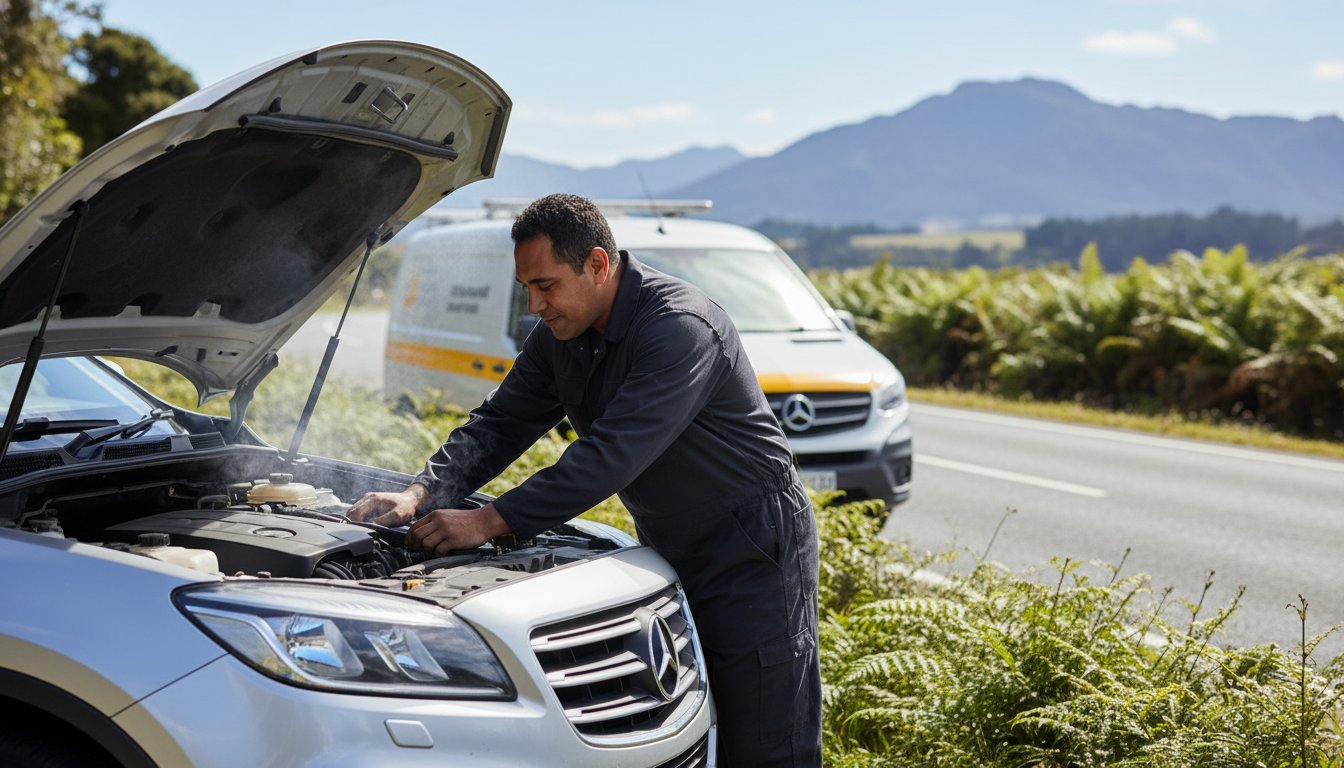
Imagine you’re halfway through a long-awaited trip to the Coast when a sudden plume of steam erupts from your bonnet. It’s the moment every Kiwi driver fears, turning a relaxing drive into a high-stakes search for a reliable mechanic. You shouldn’t have to face the stress of a breakdown while worrying about whether you’re being overcharged for a fix. Understanding the radiator replacement cost nz is the first step toward regaining control and getting your vehicle back into top shape without the financial guesswork.
We believe that every car owner deserves total transparency when it comes to essential repairs. This guide promises to clear up the confusion by providing a straightforward breakdown of what you can expect to pay for parts and professional labor. We will walk you through the specific factors that influence your bill, from your vehicle’s make to the quality of the components used. You’ll also find expert tips on how to spot early warning signs, ensuring your next road trip is defined by the scenery rather than a tow truck. Let’s look at the facts so you can make an informed decision for your car’s future.
Key Takeaways
- Spot warning signs like sweet-smelling puddles or rising gauges before they lead to a total engine meltdown.
- Get a clear breakdown of the radiator replacement cost nz, including how parts and labour hours impact the total.
- Compare the pros and cons of radiator repairs versus full replacements to choose the safest path for your vehicle.
- See how vehicle origin and engine bay layout can change the complexity and price of your service quote.
- Learn how to skip the guesswork by booking with transparent, upfront pricing from qualified Kiwi mechanics.
Understanding Radiator Failure: Signs Your Car Needs Help
Your engine generates immense heat every second it runs. Without a functional cooling system, that heat would warp metal components and seize your engine within minutes. Understanding how a car’s radiator works is vital for every driver. It circulates coolant through a series of thin tubes to dissipate heat, keeping your engine at a safe operating temperature. In New Zealand, our unique geography adds another layer of difficulty. Our hilly terrain and winding roads demand a lot from this system. Climbing a steep pass or crawling through stop-start city traffic puts massive pressure on aging plastic tanks and aluminum cores. Catching a fault early keeps your radiator replacement cost nz manageable by avoiding catastrophic damage to your head gasket or engine block.
Visual Symptoms You Can’t Ignore
Start with a simple walk-around. Check your driveway or garage floor for bright, watery puddles. Coolant is usually a distinct neon green, pink, or orange color and often carries a sickly sweet smell. If you see white steam curling from the edges of your bonnet, pull over immediately. This indicates a high-pressure leak or a total cooling failure. You should also regularly inspect the coolant reservoir. If the liquid looks like thick, brown sludge instead of clear fluid, internal corrosion has taken hold. This debris blocks the narrow channels of the radiator and prevents it from doing its job. Sludge is a clear signal that your radiator has reached the end of its life.
Performance Red Flags While Driving
Watch your dashboard closely. Your temperature needle should sit steadily in the middle of the gauge once the car is warm. If it creeps toward the red zone while you’re climbing a hill or idling at a red light, your radiator is struggling to shed heat. Your car’s interior heater is also a surprisingly effective diagnostic tool. If the heater suddenly blows cold air even though the engine is hot, you’ve likely lost enough coolant to create an air lock in the system. Finally, never ignore a warning light. A “low coolant” or “engine temp” light is a final plea for help from your vehicle. Addressing these signs today ensures you don’t end up stranded on the side of the road with a much larger repair bill.
Average Radiator Replacement Cost in NZ for 2026
Budgeting for a repair often feels like a guessing game. In New Zealand, the total radiator replacement cost nz generally falls between $450 and $1,000 for most standard passenger vehicles. If you drive a high-performance or luxury European model, you might see that number climb higher. This total isn’t just a single figure; it’s built on three distinct pillars: the radiator unit itself, the expert labour required to fit it, and the essential fluids that keep the system running. While it’s tempting to hunt for the lowest price, remember that our local roads and climate demand durability. Choosing a quality component now prevents another breakdown on a remote stretch of State Highway 1 later.
The Cost Breakdown: Parts vs. Labour
Parts and labour are the heavy hitters on your invoice. A replacement radiator for a common Japanese hatchback typically ranges from $200 to $400, whereas a specialized unit for a European SUV can easily exceed $600. Professional technicians generally spend between 1.5 and 4 hours on the job, depending on how much of the front end needs to be disassembled. Most reputable workshops across the country charge between $120 and $180 per hour for their expertise. When finding a trusted mechanic, ensure they provide a clear estimate that separates these costs so you know exactly where your money is going. This transparency helps you avoid hidden fees and gives you confidence in the repair.
Don’t Forget the Consumables
Don’t overlook the small stuff. A new radiator is only as good as the fluid inside it. Modern engines require specific high-quality anti-freeze and coolant blends to prevent internal corrosion, which usually adds a small but necessary cost to your bill. We also recommend replacing aging radiator hoses and clamps at the same time, as these often fail shortly after a new system is pressurized. A full system flush is the final essential step. This process clears out old debris and sediment, ensuring your new investment doesn’t get clogged by leftovers from the old unit. For a clear look at your specific vehicle’s needs, you can easily book a radiator repair or replacement through our platform.
Finally, expect a small environmental disposal fee. Old coolant is toxic and requires specialized handling, and your old metal radiator shouldn’t just end up in a landfill. These fees are a standard part of responsible vehicle maintenance in NZ, ensuring our beautiful backyard stays protected while your car gets back on the road. By accounting for these details now, you won’t be surprised when the final bill arrives.
Factors That Influence Your Radiator Quote
Every car is built differently, so your quote will reflect the specific engineering under your bonnet. While we’ve discussed the average radiator replacement cost nz, several variables can push your final bill toward the lower or higher end of the scale. It’s not just about the size of the radiator. It’s about how that radiator interacts with the rest of your vehicle’s systems. Modern cars often feature integrated components, such as transmission oil coolers built directly into the radiator tanks. If your vehicle has this setup, the replacement process becomes more technical and requires extra care to ensure no cross-contamination occurs between your coolant and transmission fluid.
Vehicle Make and Model Complexity
The origin of your vehicle plays a massive role in part availability and price. New Zealand’s roads are full of “Top 10” models like the Toyota Corolla or Suzuki Swift. Because these cars are so common, sourcing high-quality replacement parts is straightforward and affordable. In contrast, European brands like BMW, Audi, or Volkswagen often require specialized radiators with unique mounting clips or integrated sensors. These parts carry a premium price tag and may take longer to install due to the cramped nature of European engine bays. If you’re driving a heavy-duty 4WD or a performance car, you’ll also need a radiator with a higher cooling capacity to handle the extra heat generated by towing or high-speed driving. Before committing to a repair, review the Consumer Protection guidelines for car repairs to ensure you’re getting a fair and transparent quote.
Mobile Mechanic vs. Traditional Workshop
Logistics can be the biggest headache when your cooling system fails. If your car is overheating, driving it to a workshop is risky and could lead to engine failure. This is where a Mobile Mechanic becomes a game-changer. By having a technician come to your home or office, you save on the cost and stress of a tow truck. Mobile services are often highly efficient for radiator jobs because the work is self-contained. As long as there’s a flat, clean workspace for the technician to manage coolant drainage and disposal safely, the repair can be completed while you get on with your day. This modern approach strips away the inconvenience of traditional workshops without sacrificing the quality of the repair. It’s a smart, transparent way to get back on the road with total confidence.
Radiator Repair vs. Replacement: Making the Right Choice
When your cooling system starts acting up, the first question is usually whether you can patch it up or if you need a total swap. While the radiator replacement cost nz might seem like a significant upfront expense, it’s often the most logical financial move. Modern radiators are typically constructed with aluminum cores and plastic side tanks. Once these plastic tanks crack or the seals between the core and tank fail, a reliable repair is nearly impossible. Choosing a temporary fix often leads to a secondary failure at the worst possible time. It’s a choice between spending hundreds on a permanent solution now or thousands on a head gasket repair later if the car overheats again.
When a Repair Might Suffice
There are specific scenarios where you don’t need to bin the whole unit. If your leak is coming from a perished rubber hose or a cracked thermostat housing, a simple component swap will get you back on the road. For owners of classic cars, “re-coring” is a specialized process where a technician fits a brand-new center core into your original vintage brass or copper tanks. This preserves the original look of the engine bay while providing modern cooling efficiency. However, for the vast majority of modern daily drivers, these traditional repair methods aren’t an option because the materials don’t allow for effective welding or patching.
Why Replacement is Usually the Better Bet
A new radiator provides immediate peace of mind through a part warranty and improved thermal efficiency. It ensures your engine runs at its peak design temperature, which helps maintain fuel economy and prevents oil breakdown. You might see advice online suggesting “stop-leak” additives as a cheap alternative to a professional repair. Don’t fall for this myth. These products work by hardening when they hit the air, but they can easily clog the narrow passages in your engine block and heater core. Stop-leak products often cause secondary damage to water pumps by creating abrasive grit that destroys the internal seals. Investing in a new part is the only way to guarantee your cooling system is clear and functional.
Deciding whether to invest in your current vehicle comes down to a few simple factors. Use this checklist to help guide your choice:
- Age of the vehicle: Is the car between 8 and 12 years old? This is the typical lifespan for factory cooling components.
- Severity of the leak: Is it a slow drip or a high-pressure spray? High-pressure leaks indicate structural failure.
- Frequency of overheating: If the car has already “boiled over” multiple times, the radiator is likely internally blocked.
- Future plans: Are you planning a long summer road trip? A new radiator is cheap insurance against a ruined holiday.
If you’re ready to stop the guesswork and secure your car’s reliability, we can help. You can book a radiator repair or replacement online in minutes and get a transparent price from a qualified professional near you.
Book Your Radiator Replacement with My Auto Shop
Dealing with a failing cooling system shouldn’t feel like a second job. We’ve built a platform that strips away the mystery of the radiator replacement cost nz by putting the power back in your hands. Instead of calling multiple garages and waiting for callbacks, you can find a solution in seconds. Our mission is to bridge the gap between traditional mechanical skill and modern digital convenience. You get to focus on your busy life while we handle the logistics of getting your car back to peak health. We speak with the confidence of an expert but the friendliness of a helpful neighbor, ensuring you never feel overwhelmed by technical talk.
Transparent Pricing and Easy Booking
Our platform allows you to compare local repair options with total clarity. You’ll see the full price before you ever commit to a booking. This means no “estimated” ranges that balloon once the work starts. We prioritize financial clarity so you can budget with confidence and avoid the stress of hidden fees. Every job booked through our network comes with a clear guarantee on both parts and labour. This commitment to openness is why Kiwi drivers trust us to manage their essential repairs without the typical industry jargon. We act as your transparent partner, ensuring you feel empowered rather than intimidated by the repair process.
If your car is currently undrivable or you simply can’t find the time to visit a workshop, our Mobile Mechanic service is the perfect fit. A qualified technician can perform a radiator replacement cost nz assessment and repair right on your driveway or at your office. This eliminates expensive towing fees and keeps your daily schedule intact. It’s a streamlined experience designed for the modern world, moving at the speed of an app while maintaining the steady pulse of a dependable local service business. We value your time as much as your safety, providing a scheduled solution that fits your life.
Expert Care for Every Kiwi Car
Whether you’re driving a daily city commuter or a rugged weekend 4WD, our network of qualified Kiwi mechanics has the expertise to help. Every radiator service includes a professional cooling system inspection to ensure there are no underlying issues with your water pump or thermostat. We treat every vehicle as if it were our own, valuing your safety and your engine’s longevity equally. Our roots are firmly planted in the local community, which means we hold ourselves accountable for every repair. Take the first step toward a reliable ride today. Get an instant quote for your radiator replacement and experience a better way to manage your car’s maintenance.
Get Back on the Road with Confidence
Your car’s cooling system is its primary defense against expensive engine damage. By recognizing early warning signs like sweet-smelling leaks and understanding the factors behind the radiator replacement cost nz, you’ve already taken the stress out of the repair process. Choosing a professional replacement over risky temporary fixes ensures your vehicle stays reliable for years to come. Whether you’re commuting in the city or exploring the backroads, a functional radiator is your ticket to worry-free driving.
We make it easy to find the right help without the hidden fees or confusing jargon. Our platform connects you with over 200 certified Kiwi mechanics who are MTA assured. You get transparent, fixed-price quotes that respect your budget and your time. Don’t let a cooling issue turn into a major breakdown. Take control of your car maintenance today with a service that values honesty and efficiency. Get an Instant Radiator Replacement Quote and enjoy the peace of mind that comes with expert care. Your next Kiwi road trip is waiting, and we’re here to make sure your car is ready for it.
Frequently Asked Questions
Is it safe to drive with a leaking radiator?
No, driving with a leaking radiator is dangerous and can cause catastrophic engine failure within minutes. When coolant escapes, the engine’s temperature rises rapidly, which often leads to warped cylinder heads or a blown head gasket. If you spot a leak, pull over and stop the engine immediately to prevent a manageable repair from turning into a total engine replacement.
How long does it take to replace a car radiator?
A professional technician can typically complete a radiator replacement in 2 to 4 hours. The exact time depends on how much of the vehicle’s front end needs to be disassembled to access the mounting points. While some Japanese hatchbacks are straightforward, performance cars with complex cooling loops or tight engine bays may require the upper end of that time estimate.
Does a new radiator come with a warranty in NZ?
Yes, most reputable workshops in New Zealand offer a 12-month or 20,000km warranty on both the part and the labour. This ensures that you’re protected against manufacturing defects or installation issues. Always check that your mechanic uses high-quality components that meet or exceed the original manufacturer’s specifications for the best protection.
Should I replace my water pump at the same time as the radiator?
Replacing the water pump at the same time is a cost-effective preventative measure if your vehicle has high mileage. Since the cooling system is already drained and the belts are often removed, you’ll save significantly on labour costs compared to doing the jobs separately. It’s a smart way to ensure your entire cooling system is refreshed and reliable for the long term.
Why is my car still overheating after a radiator replacement?
Persistent overheating after a replacement usually indicates an air lock in the system or a faulty thermostat. If the cooling system wasn’t properly bled of air during the refill, the coolant won’t circulate correctly. It’s also possible that the original overheating event damaged the head gasket or that the cooling fans aren’t triggering as they should.
Can I use tap water in my radiator instead of coolant?
You should only use tap water in an absolute emergency to get to a safe location. Tap water contains minerals that cause internal scale buildup and corrosion, which eventually blocks the narrow channels in your new radiator. Always use the specific coolant grade recommended by your vehicle manufacturer to maintain the correct boiling point and prevent internal rust.
How often should a car radiator be replaced as preventative maintenance?
While radiators don’t have a fixed replacement interval, they generally last between 8 and 12 years. Instead of waiting for a breakdown, have your cooling system pressure tested during a comprehensive service once your car hits the ten-year mark. This proactive approach helps you plan for the radiator replacement cost nz before an emergency occurs on the roadside.
Will a faulty radiator affect my car’s Warrant of Fitness (WOF)?
A leaking radiator isn’t a direct WOF fail unless the leak is severe enough to be considered a hazard or if it’s dripping onto other essential components. However, a cooling system that can’t maintain pressure is a major safety risk for long-distance driving. It’s best to fix any cooling issues immediately to ensure your car remains reliable and safe for every journey.
Disclaimer
This article provides general information only and should not be relied on as professional mechanical, safety or legal advice. Vehicle requirements and circumstances vary. If you are unsure about your vehicle, have it inspected by a qualified automotive professional.