
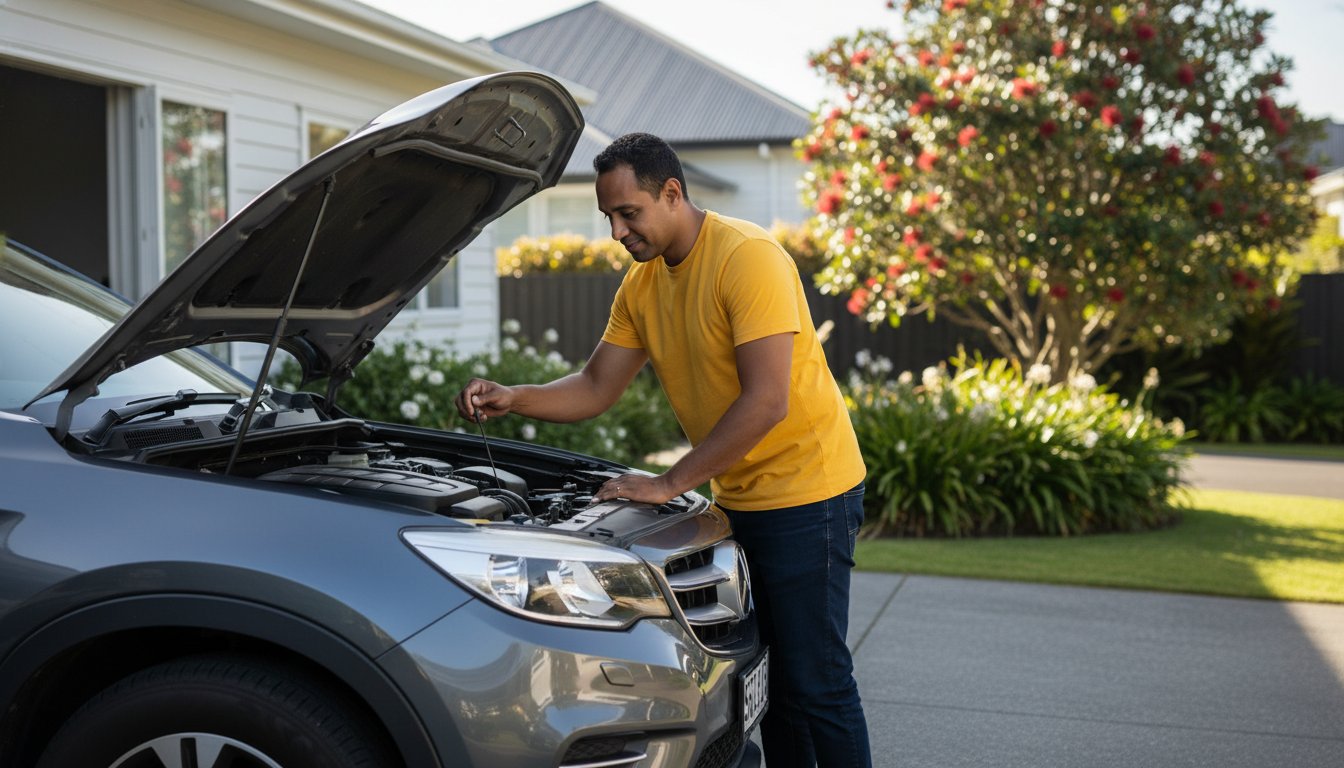
What if the difference between a NZ$150 WOF pass and a NZ$2,500 engine repair was just ten minutes of your time on a Sunday morning? It’s a reality for many of the 4.4 million light vehicles currently registered across New Zealand. We know that opening the bonnet often brings more anxiety than clarity. You’re likely worried about confusing jargon or getting ripped off by a workshop. You don’t need to be a mechanic to keep your car safe. Using a straightforward basic car maintenance checklist is the easiest way to stay ahead of trouble.
We agree that your time is valuable. Car care should be transparent, not intimidating. We’ve stripped away the complexity to give you a clear, jargon-free guide to DIY maintenance. This article promises to give you the confidence to handle essential checks yourself. You’ll avoid surprise WOF failures and protect your car’s resale value. From checking tyre treads to monitoring vital fluid levels, we’re covering the simple steps every Kiwi driver needs to master in 2026.
Key Takeaways
- Protect your vehicle from New Zealand’s unique coastal air and rugged terrain by mastering simple, non-invasive checks.
- Follow this basic car maintenance checklist to confidently monitor essential fluids and ensure your battery is always road-trip ready.
- Use the “20c piece test” to check your tyre tread and ensure your vehicle remains safe and WOF-ready.
- Learn the language of your dashboard warning lights and how to test the “feel” of your controls before a minor issue becomes a major repair.
- Know exactly when to DIY and when to book a professional service to take advantage of transparent pricing and expert care.
Why a Basic Car Maintenance Checklist is Essential in NZ
Owning a vehicle in Aotearoa offers unparalleled freedom, but that freedom depends on the health of your engine. Basic car maintenance refers to the simple, non-invasive checks any driver can perform without a toolbox. These tasks involve inspecting fluid levels, checking tyre pressure, and testing lights. You don’t need to be a qualified mechanic to master these basics; you just need a consistent routine.
The Kiwi environment is notoriously tough on machinery. Our 15,000 kilometers of coastline mean salt spray is a constant threat to exposed metal components, while our steep, winding terrain puts extra strain on brakes and cooling systems. Following a basic car maintenance checklist ensures your vehicle handles the humidity and the hills without protest. Think of these checks as an early warning system. Identifying a slight drop in coolant today prevents a catastrophic overheat on the Desert Road tomorrow.
Regular DIY checks also streamline your Warrant of Fitness (WOF) experience. Data from inspection centers suggests that roughly 40% of vehicles fail their initial WOF due to simple issues like blown bulbs or worn wiper blades. By catching these small faults early, you avoid the stress of a failed inspection and the cost of a re-check fee.
Saving Money and Protecting Resale Value
Maintaining a car isn’t just about safety; it is a financial strategy. A vehicle with a fully documented history of regular fluid changes and inspections can command between NZ$2,000 and NZ$3,500 more on the secondary market compared to a neglected model. Buyers in NZ look for evidence that the owner cared for the car. Routine checks prevent compounding repairs, where a minor leak leads to a seized component. A $20 bottle of oil can prevent a $5,000 engine rebuild. By spending ten minutes every month on your basic car maintenance checklist, you protect your bank account from avoidable mechanical disasters.
Safety First: The Emotional Peace of Mind
There is a specific kind of anxiety that comes from hearing a strange noise while driving through the Lewis Pass with no cell service. Regular maintenance eliminates that worry. When you know your tyre tread depth is well above the legal 1.5mm limit and your brake fluid is fresh, you drive with confidence. Ensuring your safety features are operational is vital for unpredictable Kiwi weather. High-quality wipers and clear headlights are essential when a sudden downpour hits on State Highway 1. Knowing the actual condition of your car allows you to focus on the journey rather than wondering if you will make it to your destination. It transforms car ownership from a source of stress into a reliable part of your daily life.
Under the Bonnet: Essential Fluid and Battery Checks
Opening the bonnet is the first step in any basic car maintenance checklist. Before you start, park on level ground and let the engine cool for at least 15 minutes. This ensures fluids settle for accurate readings and prevents nasty burns from hot components. Locate the “big three” targets: the oil dipstick (usually yellow or orange), the coolant reservoir, and the windscreen washer cap. Identifying these early saves time and keeps your engine running smoothly between scheduled services.
Checking Your Engine Oil Like a Pro
Engine oil is the lifeblood of your vehicle. To check it, pull the dipstick out and wipe it clean with a rag. Reinsert it fully, then pull it out again to read the level. Your oil should sit between the ‘Min’ and ‘Max’ markers. If it sits below the halfway point, it is time for a top-up. Pay attention to the texture and colour. Fresh oil is amber, while old oil is dark brown or black. If the oil looks like milky coffee, stop immediately. This indicates coolant is leaking into your oil, which often signals a head gasket failure that can cost upwards of NZ$2,500 to repair if left untreated.
Coolant and Windscreen Washer Levels
Safety is paramount when dealing with the cooling system. Never open a radiator cap while the engine is hot. The system is pressurized, and escaping steam can cause severe injuries. Instead, check the level via the translucent plastic reservoir. The fluid is usually bright pink, green, or blue. Ensure it sits between the embossed lines. For your windscreen, avoid using just plain tap water. NZ roads are often dusty or oily; a dedicated washer fluid concentrate breaks down road film much better than water alone. If you’re unsure about fluid types, you can book a professional fluid health check to stay safe.
Battery and Electrical Basics
A car battery usually lasts between 3 and 5 years in New Zealand conditions. As part of your basic car maintenance checklist, check the terminals for “white fuzz,” which is acid corrosion that restricts electrical flow. If you see it, a mixture of baking soda and water can help clean it off. Give the battery a firm wiggle; it must be securely clamped down. A loose battery is a common reason for a WOF fail under current NZTA inspection standards. If your car struggles to crank on a frosty 4-degree morning, your battery is likely nearing the end of its life and needs testing before it leaves you stranded.
Tyres and External Safety: Your Pre-WOF Walkaround
Tyres are the only four points of contact between your vehicle and the Kiwi roads. Each contact patch is roughly the size of a handprint, meaning your safety relies entirely on a very small amount of rubber. Neglecting these checks makes any basic car maintenance checklist incomplete. If your tyres are bald or underinflated, your car’s advanced braking and stability systems simply cannot do their jobs properly.
The 5-Minute Tyre Inspection
Don’t trust your eyes to judge tyre pressure. The “eye-ball test” is a myth because a tyre can lose 20% of its air pressure before it actually looks flat. Open your driver’s door and look for a small placard on the frame. This lists the exact PSI required for your specific vehicle. Use a digital gauge at a service station to ensure they match these specs. Correct pressure saves you up to $0.10 per litre in fuel costs by reducing rolling resistance. For a step-by-step walkthrough of the entire process, our guide on how to check tyre pressure covers everything from finding your correct PSI to using the pump confidently at any petrol station.
Grab a 20c coin for the classic Kiwi tread test. Insert the coin into the main grooves with the “20” at the bottom. If you can see the base of the numbers, your tread is likely near or below the 1.5mm legal limit. While 1.5mm is the law, many safety experts recommend replacing tyres at 3mm for better wet-weather grip. Look closely for “sawtooth” wear on the edges, which usually indicates an alignment issue. Check the sidewalls for cracks or bulges. These are structural failures that can lead to a high-speed blowout.
Wipers and Visibility
Visibility is about more than a quick wash at the petrol station. Run the “smear test” by activating your washers. If the blades leave streaks, skip across the glass, or make a chattering noise, the rubber has perished. Replace your wiper blades every 12 months to maintain a clear view and prevent the metal arms from scratching your windscreen.
Inspect the glass for chips. In New Zealand, a chip larger than 25mm anywhere on the screen, or any damage in the driver’s direct line of sight, results in a WOF failure. Ensure your wing mirrors are tight and the glass is clear. Loose mirrors vibrate at high speeds, making it impossible to judge the distance of vehicles behind you.
The ‘All-Lights’ Audit
You don’t need a helper to check your exterior lights. Back up toward a garage door or a shop window at night. Use the reflection to see if both brake lights and your reverse lights illuminate when you press the pedals. This simple trick ensures you’re visible to other drivers without needing a second person to stand behind the car.
- Check your high beams and hazards while parked.
- Check the small bulbs above your rear number plate.
- Ensure indicator lenses aren’t cracked or faded to white.
Under NZTA regulations, a single blown bulb is an automatic WOF failure. Taking five minutes to run this audit prevents the frustration of a “fail” result and the cost of a recheck fee. It’s a vital, low-cost habit for every basic car maintenance checklist.
Interior Controls and Seasonal Maintenance Prep
Your car uses the dashboard to talk to you. Learning this language is a vital part of any basic car maintenance checklist. It’s often the difference between a minor adjustment and a $5,000 engine replacement. Beyond the lights, the physical feel of your controls provides instant feedback about your vehicle’s mechanical health before you even leave the driveway.
Decoding Dashboard Warning Lights
Think of your dashboard like a traffic light system. Red lights mean stop immediately. If you see a red oil can or a thermometer symbol, pull over safely and turn off the ignition. These indicate a total loss of oil pressure or extreme overheating. Orange or yellow lights are your “check soon” signals. They don’t require an immediate roadside stop, but you should book an inspection within the next 48 hours to avoid long-term damage. Green or blue lights simply mean a system, like your cruise control or high beams, is currently active.
Never ignore a flickering engine management light. This often signals a sensor failure or a misfire that can destroy your catalytic converter. For a deeper dive into what every symbol means, check our complete guide to dashboard warning lights meaning to stay informed and confident behind the wheel.
Pedals and Handbrakes
Your brakes shouldn’t feel like you’re stepping on a marshmallow. A “spongy” brake pedal usually means air has entered the hydraulic lines or your brake fluid is contaminated. This can increase your stopping distance by several meters when braking at 100km/h. When you pull your handbrake, count the clicks. A healthy handbrake should hold the car firmly between 5 and 8 clicks. If it pulls all the way to the top of its travel, the cable is stretched or the rear pads are significantly worn. Finally, give your horn a quick blast. It must be loud and clear to pass your next WOF and ensure you can alert other drivers in an emergency.
Preparing for New Zealand Seasons
Kiwi weather demands specific preparation to keep you safe. Before winter hits, check your heater and demister functions. Visibility is your primary defense against rain and ice. Battery failure rates spike by 25% during the first cold snap of June because low temperatures slow down the chemical reactions needed to start your engine. If your car struggles to crank on a cold morning, your battery is likely at the end of its life.
In summer, the harsh NZ sun perishes rubber door seals and wiper blades. Check for “sun-rot” or cracking on any exposed rubber. Don’t forget the inside of your windscreen. A thin film of dust and grime can increase glare from oncoming headlights by up to 30% during night driving. Clean glass is a simple, free safety upgrade that every driver should prioritize.
Want to ensure your car is ready for the road ahead? Book a comprehensive check through NZ’s most transparent car service platform and enjoy the convenience of our pick up and drop off service.
When DIY Isn’t Enough: Booking Professional Care
Following a basic car maintenance checklist keeps your engine running smoothly, but DIY efforts have clear boundaries. There’s a point where a simple check-up reveals a repair that requires specialized tools and heavy machinery. Attempting to fix complex systems without the right gear often leads to “parts darting,” where you spend hundreds on new sensors or components hoping to stumble upon the fix. A professional diagnostic scan might cost NZ$100 to NZ$150, but it identifies the exact fault code immediately, saving you from wasting NZ$500 on unnecessary parts.
At My Auto Shop, we distinguish between a Basic Service and a Comprehensive Service to suit your car’s specific age and mileage. A Basic Service focuses on the essentials like high-quality oil and filter changes. A Comprehensive Service goes further, involving a 35-point safety inspection that covers everything from battery health to suspension bushes. Choosing the right level of care ensures your car meets New Zealand safety standards without overspending on services you don’t need yet.
The Limits of Home Maintenance
Safety is the primary reason to put down the wrench. You should never attempt brake line repairs, cambelt replacements, or internal engine work in a home garage. These tasks require precise torque settings and specialized timing tools; a single mistake can result in a total engine failure or a dangerous loss of stopping power. If you notice a fault you can’t fix, describe it to your mechanic using the “What, When, and Where” method. Tell them what you hear (a high-pitched squeal), when it happens (only when turning left), and where it seems to come from (the front passenger side). This clarity reduces labor time and gets you back on the road faster. Remember, a stamped professional service record is the best insurance policy for your car’s resale value, often adding NZ$1,000 or more to the final price when you decide to sell.
The My Auto Shop Advantage
We’ve redesigned the workshop experience to be as simple as ordering a pizza. You don’t have to spend your morning calling five different garages for quotes. Our platform provides transparent pricing upfront, so you’ll never face a “surprise” bill when you pick up your keys. We only work with a vetted network of NZ’s best mechanics, ensuring your vehicle is in honest, capable hands. If your schedule is packed, our signature “Pick up & drop off” service is a game changer. We’ll collect your car from your home or office, take it to the workshop, and return it once the job is done. It’s professional servicing built for the modern Kiwi driver. Book a Basic Service with My Auto Shop today and experience the easiest way to maintain your vehicle.
Keep Your Kiwi Road Trips Stress-Free in 2026
Staying on top of your vehicle doesn’t have to be a chore. Regular checks on your tyre tread, which must be at least 1.5mm to pass a WOF, and keeping your oil levels topped up can save you over NZ$3,000 in major engine repairs. Following this basic car maintenance checklist ensures your car stays reliable on rugged NZ roads. These small monthly habits prevent big mechanical headaches and keep your rego valid while protecting your vehicle’s resale value.
Sometimes your car needs a professional touch to stay in peak condition. We’ve removed the guesswork with upfront, transparent pricing and a network of over 100 highly-rated NZ mechanics. You don’t even need to leave the house. Take advantage of our signature pick up and drop off service to keep your day moving while we handle the hard work. It’s the modern way to manage your car without the traditional stress or jargon of the workshop floor.
Book your next service with New Zealand’s most transparent mechanics at My Auto Shop and drive with total confidence. Your car will thank you for the extra care.
Frequently Asked Questions
How often should I go through this car maintenance checklist?
You should perform this basic car maintenance checklist once every four weeks or before driving more than 200km on a road trip. Regular monthly checks catch 80% of minor issues before they turn into expensive repairs. This routine keeps your car safe and helps maintain its resale value in the New Zealand market.
What are the most common things that cause a car to fail its WOF?
Worn tyres, blown light bulbs, and damaged wiper blades account for 40% of WOF failures in New Zealand. Check that your tyre tread is at least 1.5mm deep across the entire surface to meet legal requirements. Ensure every exterior bulb works and your wipers clear the screen without leaving streaks. These quick fixes save you from a failed sticker and a re-check fee.
Can I top up my engine oil myself, or do I need a mechanic?
You can absolutely top up your engine oil yourself without visiting a mechanic. Check the dipstick when the engine is cold and parked on a level surface. If the oil mark is near the low line, add 500ml of the correct oil grade for your specific model. Refer to your owner’s manual to ensure you use the right viscosity, such as 5W-30 or 10W-40.
What should I do if a red warning light comes on while I’m driving?
Pull over safely and turn off the engine immediately if a red warning light appears on your dashboard. Red lights indicate critical failures like low oil pressure or engine overheating. Continuing to drive for even 2 minutes can cause irreparable damage costing upwards of NZ$5,000 for an engine replacement. Call for roadside assistance or a tow to your local mechanic right away.
Is it worth servicing an older car that isn’t worth much?
Investing in a NZ$150 basic service is always worth it, even if your car is only valued at NZ$2,000. Regular maintenance prevents 90% of preventable breakdowns that leave you stranded on the side of the road. A well-documented service history also makes it easier to sell your car later for a better price. It’s about reliability and safety, not just the market value of the metal.
How do I know if my tyres are at the right pressure?
Check the tyre pressure placard located inside the driver’s side door frame or your owner’s manual for the exact PSI requirements. Most New Zealand passenger cars require between 30 and 35 PSI. Use a digital gauge at a petrol station once every 30 days to ensure they match these specs. For a full breakdown of the process, our complete guide on how to check tyre pressure walks you through every step from finding your correct settings to using the pump at any Z or BP station. Correct pressure improves fuel efficiency by up to 3% and extends tyre life.
What is the difference between a basic service and a WOF?
A Warrant of Fitness (WOF) is a mandatory safety inspection required by NZ law, while a service is proactive maintenance to keep the engine healthy. A WOF doesn’t check your oil quality or engine internals. A basic service includes an oil and filter change, which is vital for every 10,000km driven. Think of the WOF as a legal pass or fail and the service as a health checkup.
Do I need special tools to do these basic car checks?
You don’t need a professional toolkit to follow this basic car maintenance checklist. A clean rag for the dipstick and a simple tyre pressure gauge are the only physical tools required. Most checks, like testing lights or inspecting the battery for leaks, are visual. If you find a problem you can’t fix, our pick up and drop off service makes getting it sorted by an expert easy.
Disclaimer
This article provides general information only and should not be relied on as professional mechanical, safety or legal advice. Vehicle requirements and circumstances vary. If you are unsure about your vehicle, have it inspected by a qualified automotive professional.